Your Bio Is Speaking Louder Than You Think: What Your Word Choices Reveal About What You Actually Want
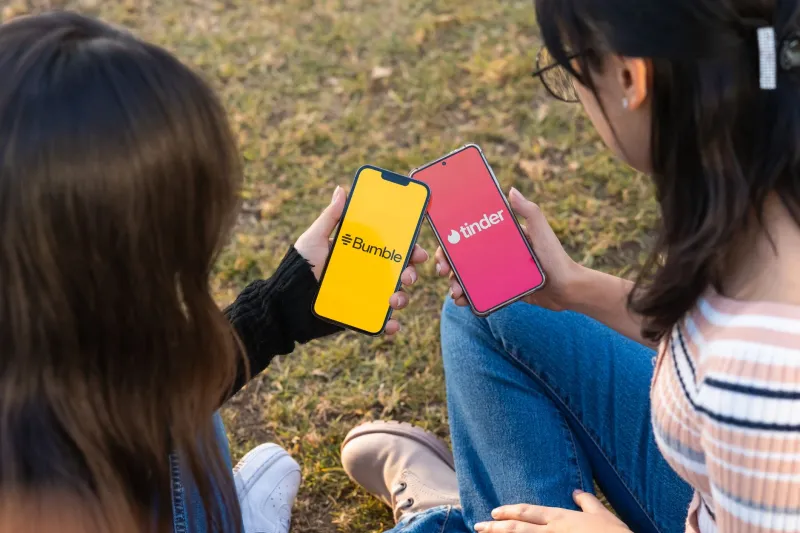
You spent maybe twelve minutes writing your dating profile. You picked a vibe, tossed in a few emojis, maybe added a TV show reference to seem relatable, and called it done. But here's the thing — those twelve minutes created a psychological fingerprint that potential matches are reading way more carefully than you'd expect.
The words you choose, the punctuation you default to, and yes, even the specific emojis you reach for are quietly broadcasting your personality, your communication style, and — most interestingly — your love language. And if your profile language doesn't actually match what you're looking for in a relationship, you might be attracting exactly the wrong people.
Let's break it down.
The Emoji Audit: What You're Reaching For and Why
Emojis aren't decoration. They're emotional shorthand, and the ones you choose say a lot about how you process and express feelings.
Take the 😂 emoji. It's the most used emoji on the internet, but in a dating bio it often signals someone who deflects vulnerability with humor. That's not necessarily a bad thing — plenty of people bond over jokes — but if your bio is wall-to-wall comedy emojis and zero warmth, you might be telegraphing emotional unavailability without meaning to.
The 🌙 or ✨ crowd? Generally leaning introspective, a little romantic, probably into deep conversations at 1 AM. These profiles tend to attract people who value emotional depth over surface-level fun. If you're someone who actually wants low-key Netflix nights and genuine connection, this is your lane.
Then there's the 🐶🌮🍕 trifecta — dogs, tacos, pizza. This combo has become so universal it's almost its own dialect. It signals approachability and a desire to seem easy-going, but it can also read as someone who's afraid to show any real personality. If your bio basically says "I like food and my dog," you're not giving people much to work with beyond a vague sense of fun.
And the 🚀 or 💡 folks? Often achievement-oriented, goal-driven, maybe a little type-A. These profiles tend to attract similarly ambitious matches — which is great if that's your world, but can accidentally filter out people who are equally interesting but just don't measure their life in milestones.
Punctuation Patterns and What They Signal
This one might surprise you, but how you punctuate your bio is genuinely revealing.
The lowercase writer ("just a girl who loves her plants and her cat and probably your dog too") tends to project warmth, informality, and a certain anti-pretentious vibe. It reads as approachable and a little soft — which can be charming, but can also signal to some matches that you're not taking the process super seriously.
The all-caps enthusiast ("I LOVE hiking, COFFEE IS LIFE, let's GO on adventures") radiates high energy and enthusiasm. You'll attract people who match that intensity, but you might accidentally overwhelm introverts who are perfectly wonderful partners but need a slightly slower ramp-up.
The ellipsis person ("looking for something real... not sure what that means yet... just seeing where things go...") is projecting ambiguity, sometimes intentionally. This style can feel mysterious and open-ended, but it also signals indecision. If you actually know what you want, trailing-off punctuation might be working against you.
The proper punctuation writer — full sentences, capitalization, actual periods — often comes across as more serious and intentional. It can read as mature and thoughtful, or occasionally as a little stiff. Depends on the content surrounding it.
The Vocabulary of What You Actually Want
Beyond emojis and punctuation, the words you choose are doing heavy lifting in ways most people don't realize.
People who describe themselves as "adventurous" or "spontaneous" are often signaling a desire for excitement and unpredictability — but research into relationship satisfaction suggests that what many of these same people actually thrive in is a secure, stable partnership with occasional adventure. The word is aspirational, not necessarily descriptive.
Similarly, "laid-back" is one of the most common self-descriptors on dating apps, and it almost never means what people think it means. Very few people are genuinely without preferences or opinions. Usually, "laid-back" means "I don't want to seem high-maintenance" — which is a whole different thing.
If your bio says you're looking for your "partner in crime," you're probably signaling a desire for playful, co-conspiratorial energy — someone who feels like a teammate. That's actually a pretty specific love language: quality time mixed with a little acts-of-service (the crime, presumably, being fun shared experiences).
"Looking for someone who can keep up" often signals a need for intellectual stimulation and a fear of boredom. It can come across as a challenge, which some people find exciting and others find exhausting.
What Your Profile Reveals About Your Love Language
Here's where it gets genuinely useful. If you're familiar with the five love languages — words of affirmation, quality time, acts of service, physical touch, and gift-giving — your bio is almost certainly hinting at which one drives you most.
- Words of affirmation people tend to write longer, more expressive bios. They describe feelings and use a lot of emotional adjectives. They're usually the ones who write things like "I will absolutely hype you up."
- Quality time people emphasize doing things together. Their bios are activity-heavy: hiking, cooking, farmers markets, road trips. The relationship they're describing is built around shared experiences.
- Acts of service people often mention being thoughtful, reliable, or "the friend everyone calls." They'll sometimes explicitly say they're a good listener or that they show up for people.
- Physical touch people tend to use warmer, more sensory language — words like "cozy," "close," "comfortable." They might mention cuddling directly, or just describe environments and situations that are inherently physically close.
- Gift-giving people (and this one's subtle) often reference thoughtfulness in specific ways — remembering details, surprising people, noticing the small things.
None of these is better than another. But if your bio is communicating one love language and your actual primary love language is something else entirely, you might be consistently attracting incompatible matches.
A Quick Self-Audit Worth Doing
Pull up your profile right now. Read it like you're a stranger. Ask yourself:
- Does the emotional tone of this bio match how I actually communicate in relationships?
- Am I using words I think I should use, or words that are genuinely true to me?
- If someone read only this bio, what would they assume I want from a relationship?
If the answers feel a little off, that's useful information. Small tweaks — swapping "laid-back" for "easy to be around," replacing generic adventure emojis with something that actually reflects your personality, writing one specific detail instead of five vague ones — can completely shift the kind of matches your profile attracts.
Your profile isn't just a first impression. It's a filter. Make sure it's filtering for the right people.