Perfectly Imperfect: How Letting Your Guard Down Gets You More Dates Than Looking Flawless
You've picked the best lighting. You've used that photo from the hiking trip where you looked genuinely alive. Your bio is punchy, witty, and just self-deprecating enough to seem humble — but not so much that it reads as insecure. You have, by every conventional standard, built a great dating profile.
So why does it feel like you're being seen but not actually found?
Here's the uncomfortable truth most dating advice skips right past: the more carefully you construct a flawless version of yourself online, the harder it becomes for anyone to actually connect with you. And that's not just a hunch — there's real psychology behind why showing a crack in the armor might be the most attractive thing you can do.
The Problem With Looking Too Good
When everything about a profile is polished to a high shine, something subtle but powerful happens in the brain of the person viewing it: they stop feeling like a participant and start feeling like an audience member. Admiration and attraction aren't the same thing. You can look at a celebrity on a magazine cover and feel impressed without feeling any pull to reach out and start a conversation.
Researchers call this the pratfall effect — a term coined by psychologist Elliot Aronson back in the 1960s. His studies found that highly competent people actually become more likable when they make small, relatable mistakes. The imperfection signals humanity. It makes them approachable. It gives the other person somewhere to land.
Apply that to your dating profile and the implications are pretty significant. The person who only posts gym selfies and travel photos from Santorini can feel aspirational — but aspirational and datable aren't always the same category.
What "Strategic Vulnerability" Actually Means
Before you start panic-rewriting your bio to include every personal struggle since middle school, let's be clear: vulnerability isn't the same as oversharing. There's a version of this that works, and a version that sends people running.
Dating coach Maya Hendricks, who works with singles across the country, draws a sharp distinction between the two. "Vulnerability that attracts is specific and light," she says. "It's mentioning that you're a terrible morning person, or that you've been burned before and you're taking things slow. It's human. It's not a therapy session in bio form."
The sweet spot is what she calls low-stakes honesty — sharing something real about yourself that doesn't require the reader to carry emotional weight, but does signal that you're a genuine person with an actual inner life.
Think of it this way: "I'm fluent in sarcasm and still figuring out how to keep houseplants alive" tells someone a lot more about who you actually are than "I love adventure and good food." One of those is a real person. The other is a placeholder.
Why Authenticity Creates Emotional Resonance
There's another layer here that goes beyond just likability. When someone reads something in your profile that reflects a real, recognizable human experience — the awkwardness of a first date, the way you still miss your dog who passed away two years ago, the fact that you're a little nervous about all of this — something clicks.
Psychologists refer to this as parasocial mirroring: when we recognize our own experiences in someone else, we feel closer to them almost immediately. It's the same reason you feel like you know a podcast host after listening for a few weeks, or why you'll DM a stranger on Twitter because they perfectly described something you've never been able to put into words.
In the context of dating apps, that moment of recognition is gold. It's what turns a casual swipe into an actual message. It's what makes someone screenshot your profile to show their friend and say, "Okay, this person gets it."
The Flaws That Actually Help You (And the Ones That Don't)
Not all imperfections are created equal when it comes to dating profiles. Some humanize you. Others raise questions you don't want people asking before they've even met you.
Imperfections that tend to work:
- Admitting a quirky or embarrassing hobby (competitive trivia, an obsession with true crime podcasts, watching reality TV unironically)
- Being honest about a past experience that shaped you without making it the centerpiece of your identity
- Acknowledging that you're a little nervous about dating again after time off
- Owning a small, relatable flaw with humor — "I will absolutely talk to your dog before I talk to you"
Imperfections that tend to backfire:
- Detailed references to past relationships or exes
- Anything that reads as unresolved anger or bitterness
- Self-deprecation that tips into self-loathing ("I'm probably not what you're looking for, but...")
- Overly heavy emotional disclosures that belong in a conversation months in, not a bio
The goal isn't to lead with your wounds. It's to let people see the edges of you — the parts that make you a real human and not a highlight reel.
How to Actually Do This on Your Profile
Ready to make a few small but meaningful shifts? Here's where to start:
Audit your photos with fresh eyes. You don't need to ditch the great ones — but consider adding one that's less posed. A candid shot, something goofy, a picture where you're laughing too hard and slightly blurry. Real moments invite real connections.
Rewrite one line of your bio to be genuinely honest. Not brutally honest. Just actually honest. Instead of "I love hiking and brunch," try "I hike so I can justify brunch." It's small, but it changes the tone entirely.
Answer the prompt questions like a human being. Most apps give you conversation starter prompts for a reason. Use them. And when you do, don't give the Pinterest-perfect answer — give the real one. The answer that makes someone laugh, nod, or think "wait, me too."
Don't perform confidence you don't feel. If you're a little nervous about dating right now, it's okay to let that show in a low-key way. "Still figuring this app thing out, but here we are" is charming. It's real. It's the kind of thing that makes someone want to swipe right just to be part of the story.
The Bigger Picture
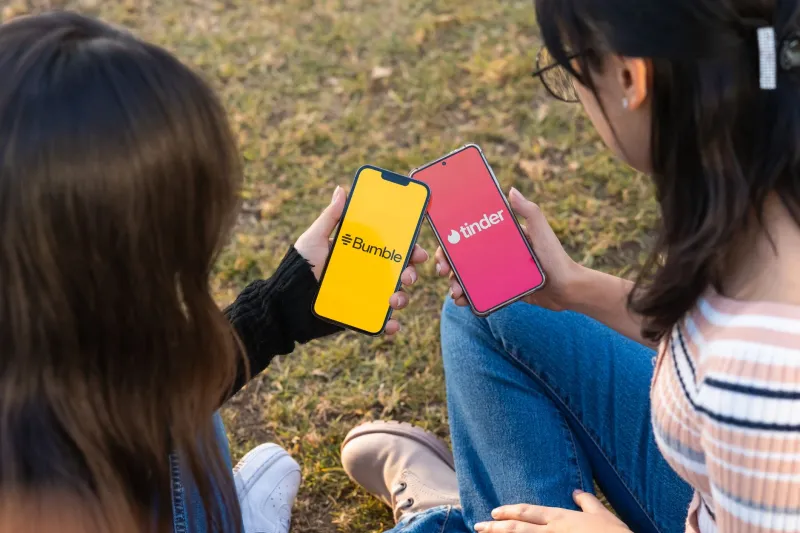
At the end of the day, dating apps are just a mechanism. They're a way to get two people who might never have crossed paths into the same digital room. But what actually makes a connection happen — what turns a match into a conversation into a coffee date into something real — is the feeling that the person on the other side of the screen is actually there.
Perfection keeps people at a distance. Humanity pulls them in.
The best version of yourself to put on a dating profile isn't the most polished one. It's the most honest one — the version that says, quietly but clearly, I'm a real person, and I'm looking for one too.
That's the kind of profile people don't just swipe right on. It's the kind they remember.